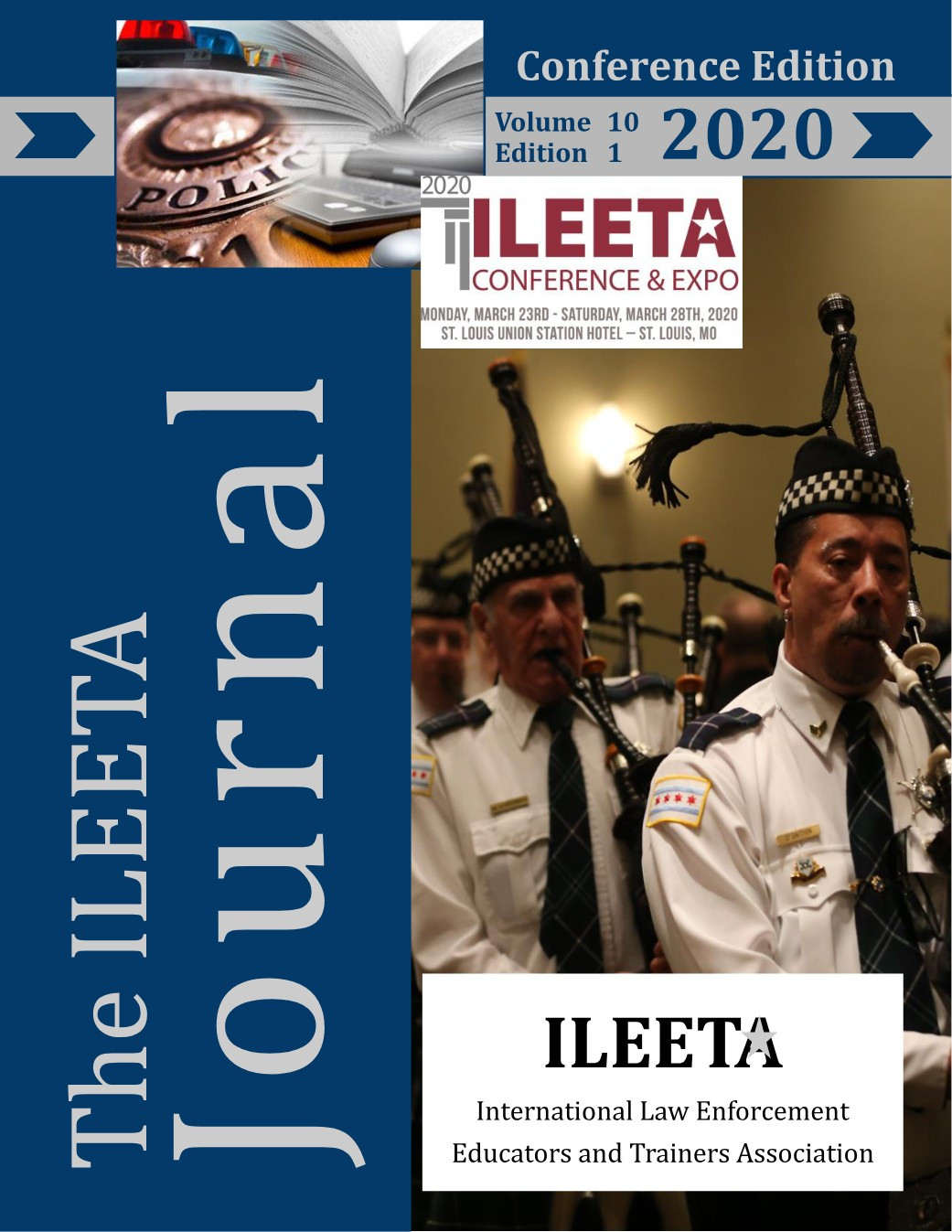
 Volume 10, Edition 1
Conference Edition 2020
Read the complete issue
ILEETA Journal Archive
The 2020 ILEETA Journal preserves an extraordinary training year. A full conference edition was prepared, but the pandemic ultimately canceled the gathering and interrupted in-service instruction across the profession. The editions that followed capture instructors adapting in real time—moving learning online, reconsidering wellness, confronting moral injury, and asking how to use forced pauses without losing readiness or community.
Volume 10, Edition 1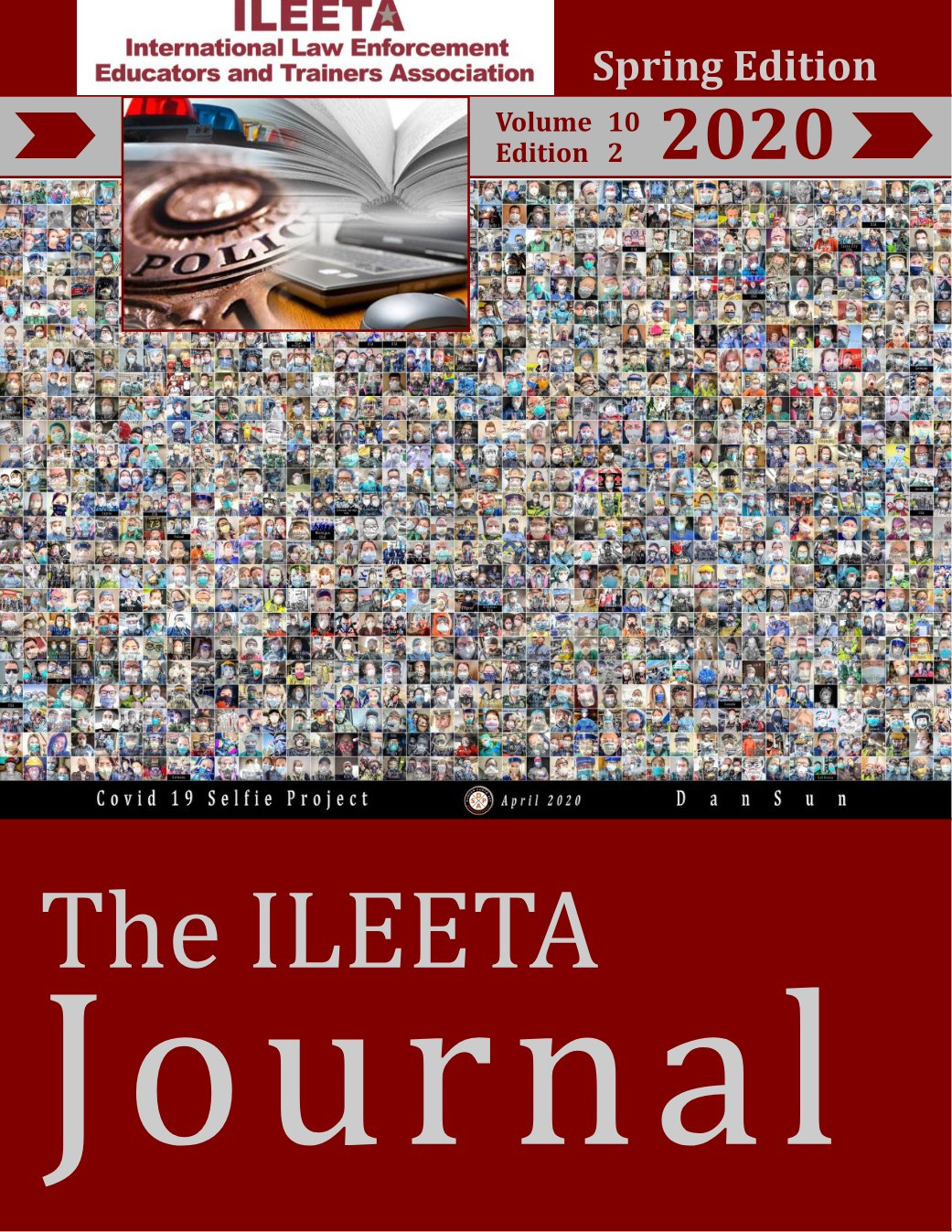 Volume 10, Edition 2
 Volume 10, Edition 3
 Volume 10, Edition 4
Prepared for the St. Louis conference, this edition previews the Emerson Hour, storytelling, officer-involved shooting instruction, firearms, human factors, instructional design, fieldcraft, leadership, wellness, and tactical stress management.
Avery asks instructors to separate familiar beliefs about adult learners from findings supported by educational research. Personal experience matters, but it can also reinforce confirmation bias and make attractive myths feel true. The article introduces research as a practical tool for testing assumptions about engagement, learning styles, retention, and instructional method. Trainers do not need to become academic specialists to improve their work; they do need to ask what evidence supports a claim, whether a source is credible, and how a proposed technique affects actual learning rather than simply classroom enjoyment.
Topics: Learning science; training myths; confirmation bias; evidence
Citation: Kerry Avery. (2020). Mythbusters: The Science of Effective Training. The ILEETA Journal, 10(1), 30.
The spring issue responds directly to the first phase of COVID-19 while continuing discussion of video, active shooters, hands-on training, trainer rights and obligations, leadership, moral injury, and dehumanization.
Avery distinguishes emergency remote delivery from online learning designed for the medium. Moving a classroom lecture onto a video platform may preserve contact during a crisis, but effective distance education requires intentional structure, interaction, practice, feedback, and assessment. Synchronous sessions can use discussion, polls, shared work, and breakout rooms; asynchronous courses should require learners to retrieve and apply knowledge rather than simply click forward. The article anticipates a durable benefit beyond the pandemic: well-designed online resources can make learning available when officers need it, not only when a scheduled classroom day arrives.
Topics: Online learning; COVID-19; course design; learner engagement
Citation: Kerry Avery. (2020). Online Learning. The ILEETA Journal, 10(2), 18-19.
Concannon explains moral injury as distress connected to actions taken, or not taken, under conditions that violate deeply held beliefs. COVID-19 intensified dilemmas already familiar to law enforcement: competing duties, scarce resources, fear of infecting family, changing orders, public conflict, and decisions without satisfying options. The article distinguishes moral injury from ordinary guilt and encourages recognition before shame and isolation deepen. For trainers and leaders, the subject expands wellness beyond exposure to danger. Officers may also be harmed by what an event requires them to witness, choose, enforce, or leave undone.
Topics: Moral injury; COVID-19; officer wellness; ethical stress
Citation: Diana M. Concannon. (2020). Moral Injury: Soul Wounds and COVID-19. The ILEETA Journal, 10(2), 26-27.
The fall issue reflects on the canceled conference and a year of disrupted training while addressing force, ambush survival, supervision, sexual-violence investigations, psychological support, policing debates, and respect.
Fletcher writes from the training shutdown created by COVID-19. With conferences, hosted courses, and in-service sessions canceled or postponed, he urges instructors not to treat the pause as empty time. It can be used to review lesson plans, question stale drills, study current research, improve personal skill, maintain equipment, and prepare stronger learning for the return. The article also acknowledges what cannot be replaced online: fellowship, informal exchange, and the mental renewal many trainers find at ILEETA. Professional growth continues during interruption, but community remains part of the work.
Topics: COVID-19 disruption; professional development; training review; ILEETA community
Citation: Todd Fletcher. (2020). Use This Time Wisely. The ILEETA Journal, 10(3), 8-9.
The winter edition closes the year with video evidence, emotional force, melee attacks, marksmanship, field training, audience analysis, interviewing, mental-health response, policing change, youth, and organizational wellness.
Burton argues that mental-health care should be routine maintenance for law-enforcement personnel rather than a service reserved for crisis. Officers regularly maintain vehicles, equipment, dental health, and physical health; psychological care deserves similar normalization. The article proposes recurring evaluations and frames participation as responsibility to self, family, colleagues, and the public rather than evidence of weakness. Its strongest contribution is cultural: wellness becomes ordinary when leaders and trainers speak about it before impairment, discipline, or tragedy forces the conversation. Early, repeated contact can make seeking help familiar instead of exceptional.
Topics: Routine mental-health care; stigma; prevention; organizational wellness
Citation: Darrell Burton. (2020). It’s Not Rocket Science! Yes! We Should Have Routine Mental Health Care. The ILEETA Journal, 10(4), 49-50.